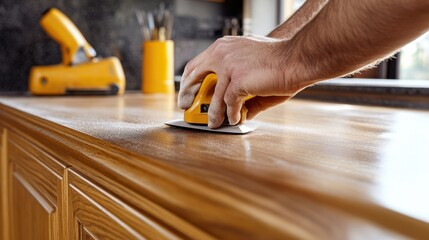
Cabinet hardware, such as handles and hinges, can elevate the look of your kitchen. These are available in a variety of styles and materials. If your cabinets are structurally sound and have minor wear, refinishing can be the solution for you. It is less expensive than refacing, but will still result in a dramatic visual change.
What is Cabinet Refinishing?
San Jose Cabinet Refinishing services will take the time to clean and prepare your cabinets before they begin working on them, ensuring that the finished product will last and look amazing. This includes removing all hardware, properly cleaning and sanding the surfaces to create a smooth base for the new finish, and making any needed repairs. This will help ensure that the new finish will hold up well over time and withstand the wear and tear of a busy kitchen.
Cabinet refinishing is one of the most budget-friendly and time-efficient ways to update your kitchen. It’s a process of removing the existing finish from your cabinets, usually by chemical stripping or sanding, and then applying a fresh coat of stain or paint. It’s a great option for those who like their kitchen layout but want to refresh the color and style of their cabinet doors and drawer fronts.
Stains are a popular choice for cabinet refinishing, as they allow the natural grain of the wood to show through and add rich color tones to your cabinets. However, it’s important to note that stains require proper preparation to work, and that the cabinets must be free of any topcoats or sealants in order to absorb the stain correctly. Stains are typically only used on natural wood doors and cabinetry, and not on laminate or thermofoil.
Painting is another common cabinet refinishing service, and it can offer a dramatic transformation in your kitchen. If your cabinets are currently painted a dark shade, painting them a lighter color can make your space appear bigger and brighter. However, it’s important to note, that when painting your cabinets, you must be prepared for a lengthy project as the prep and painting processes can take weeks or even months.
Whether you choose to stain or paint, the final touches are what really set your cabinetry apart. From handles and knobs to hinges and pulls, the right hardware can elevate your cabinets’ look and create a cohesive aesthetic throughout the room. There are many options available for your cabinet hardware, including a variety of materials, finishes, and colors.
How Does Cabinet Refinishing Work?
Cabinet refacing is the process of replacing the visible surfaces of your cabinets while leaving the base and frames intact. It gives your kitchen a dramatic new look, typically in less time than an entirely full replacement and with less stress. Professional cabinet refacing contractors use premium materials such as laminate and wood veneer to give your kitchen a modern look with lasting durability. Cabinet refacing also provides the perfect opportunity to add a fresh coat of paint and new hardware, creating a totally revitalized space.
With refacing, you’ll usually want to replace your existing cabinet doors and drawer fronts. However, this may not be necessary in every case, especially if the cabinet boxes themselves are still structurally sound and you simply want to change their appearance. When in doubt, consult with a professional remodeler to see what is the best option for your home.
On the other hand, refinishing involves staining or painting your cabinets to change their color, which keeps the structure and layout of your cabinets intact. This is an ideal option if you have sturdy, well-maintained wooden cabinets that are in good condition and you simply want to freshen up their look. It should be noted, however, that certain cabinet materials cannot be refinished, such as laminate and thermofoil, because they can’t be sanded or stripped.
Refinishing requires a significant time commitment, as the old finish must be stripped via chemical removal or lots of sanding before the new stain can be applied. This can be a very messy and smelly project, so it is not a great choice for homeowners that have a busy schedule or don’t have the patience to devote weeks to a home improvement project.
Refinishing is a more durable solution than painting, as the stain will be able to stand up to heat and moisture better than a painted surface. This makes it a smart choice for high-traffic areas of the kitchen where the cabinets will be subjected to regular wear and tear. However, refinishing does require some maintenance to ensure the quality of the new finish, which must be done regularly.
What are the Benefits of Cabinet Refinishing?
Cabinets are a major part of any kitchen. They are not only functional but also offer a significant aesthetic impact. However, they can become outdated and require updating. This can be done via cabinet refacing, refinishing, or replacement. There are a few different ways to change the look of cabinets, and it depends on how much of a change you’d like to make and what your budget is.
Cabinet refinishing is a popular choice for updating the appearance of existing cabinets without replacing them entirely. This process involves sanding down the current finish and applying a new stain or paint. This can drastically change the color and appearance of your cabinets, giving them a fresh, new look. However, refinishing only works on wooden cabinets because other materials may not be able to stand up to the sanding and staining required for this project.
Before beginning the refinishing process, it’s important to thoroughly clean the cabinets and face frames to remove any dirt, grease, or wax buildup. This will ensure that the new finish will adhere properly and will not flake or peel later on. It’s also a good idea to remove any hardware from the cabinets before starting, including knobs, handles, and pulls. Keep these in a safe place to be reinstalled once the cabinets are refinished.
Refinishing cabinets is a great option for homeowners who want to change the color of their kitchen without spending a lot of money. This method is also a bit more environmentally friendly than replacing the cabinets entirely, as it reduces waste by using existing materials instead of adding to landfills. However, refinishing should not be used to replace worn or damaged cabinetry, as it will not fix issues such as warped doors or outdated styles.
If you decide to go with cabinet refinishing, it’s best to work with a professional. This is because the sanding and staining process can be difficult to do on your own, and even small mistakes can be quite noticeable. A professional can help ensure a smooth, even finish and will work quickly to minimize the amount of time your kitchen is out of commission.
What are the Drawbacks of Cabinet Refinishing?
Cabinet refinishing is a messy process that involves stripping the existing finish and stain and then applying new layers to achieve your desired look. The process is also time consuming and requires patience. It is important to work with a skilled and experienced professional to ensure a high-quality finish that will last.
Another drawback of cabinet refinishing is that the existing cabinets may not be in good condition and may need repairs before refinishing. It is important to have these issues addressed before beginning the project. If the cabinets are in poor condition, refacing or replacement may be a better option.
In some cases, refinishing can lead to discoloration or dulling of the cabinets, especially if the cleaning products used are too harsh or abrasive. It is best to use natural or gentle cleaning products on your cabinets to prevent fading, damage and discoloration of the newly refinished surface.
Thermofoil and laminate doors are not candidates for refinishing as they do not hold paint well. Refinishing only works on wood and MDF (medium density fiberboard) cabinet doors.
Although refacing and refinishing both offer cost savings, shorter timelines and environmental benefits over cabinet replacement, they both have limitations. Refacing does not allow you to make structural changes to the cabinet boxes, so if you want to reconfigure the layout of your cabinets or address significant damage or wear and tear, refacing may not be the right option for you.
Refinishing can be a messy and disruptive process, especially if your cabinets are in close proximity to your kitchen appliances and sink. In addition, the sanding and chemical stripping required for refinishing can cause fumes that are hard to deal with. It is important to work with a professional refinishing company that has experience working in residential homes and understands the proper safety and ventilation procedures.
While refinishing is a more environmentally friendly option than replacing your cabinets, the process can still leave your home with a lingering smell and require weeks of disruption. Refinishing is also a more short-term solution, as the cabinets are not designed to stand up to years of heat and moisture, which means that you will likely need to refresh the new finish after about 10 years.