A: The lobby acts like a lively foyer, showcasing curated highlights, seasonal promotions, and quick access to trending games so you feel inspired the moment you arrive.
Q: How does the layout feel?
A: Expect a clean, tile-like grid or a carousel of eye-catching images — elements that are meant to spark curiosity rather than overwhelm, with animations and previews to tease game moods.
Search and Filters: How do you narrow the mood?
Q: What kinds of filters make discovery fun?
A: Filters often include categories like volatility, theme, provider, jackpot size, and new arrivals so you can frame your search by vibe instead of just titles.
Q: Can search be playful rather than clinical?
A: Absolutely — smart search tools suggest synonyms, trending tags, and even designer-curated playlists so browsing feels like flipping through a music or movie library.
Q: Any way to find quirky or niche picks?
A: Some lobbies lean into personality with quirky editorial sections or collaborations; for a whimsical detour try a community-curated page such as https://example.com/ for an unexpected spark of inspiration.
Common filter staples: provider, RTP, theme, release date, popularity.
Discovery boosters: “similar to”, “staff picks”, and “hidden gems”.
Favorites and Playlists: How do you keep what you love?
Q: What are favorites used for?
A: Favorites let you bookmark games, create a personal lineup, and return instantly to the titles that hit the right note for your mood.
Q: Do playlists feel social or solo?
A: Playlists can be both — you might make a private queue for late-night sessions or share a public list with friends for recommendations and friendly show-and-tell.
Q: What perks come with building a personal collection?
A: Aside from convenience, favorites often feed into tailored recommendations, alerting you when a beloved title gets an update or when similar new releases arrive.
Benefits of favorites: quick access, personalization, and gentle reminders.
A: Modern lobbies adapt to smaller screens with simplified menus, swipeable carousels, and one-tap filters so the experience stays playful on phones and tablets.
Q: What’s new about search tech?
A: Search now understands natural phrases and popular slang, making it easier to type what you feel — not just exact titles — and still find great matches.
Q: Do personalization features get tiring?
A: They’re meant to be helpful, not pushy; good designs let you opt in or out and keep control over which suggestions feel relevant to you.
Q: Any final thoughts on exploring the lobby?
A: Treat the lobby like a friendly host: it’s there to introduce you to new favorites, spotlight playful discoveries, and help you curate little moments of entertainment that match your mood.
Wood flooring is a timeless choice that combines natural beauty, durability, and versatility, making it a popular option for homeowners and designers alike. From traditional hardwood to engineered wood, this flooring option enhances the aesthetic appeal of any room while offering long-lasting performance. Whether renovating an existing space or designing a new home, understanding the benefits, types, and maintenance of wood flooring can help you make the best decision for your property.
Why Wood Flooring Is a Smart Choice
One of the primary reasons wood flooring remains a top choice is its unmatched elegance. Natural wood adds warmth, texture, and character to any space, creating an inviting atmosphere. Unlike other flooring materials, wood has a unique grain pattern and color variation, giving each plank a distinctive look that cannot be replicated.
Beyond aesthetics, wood flooring is highly durable. When properly installed and maintained, hardwood floors can last for decades, making them a cost-effective investment over time. Wood is also a resilient material, capable of withstanding everyday wear and tear from foot traffic, furniture, and pets. With refinishing and proper care, wood flooring can maintain its original beauty for years.
Types of Wood Flooring
Wood flooring comes in several types, each offering unique advantages:
Solid Hardwood: Solid hardwood is made from a single piece of natural wood, providing authenticity and long-term durability. It can be sanded and refinished multiple times, which helps restore its original appearance after years of use.
Engineered Wood: Engineered wood consists of multiple layers of wood veneers with a solid hardwood top layer. This construction makes it more stable in areas with fluctuating humidity and temperature, making it suitable for basements and kitchens where solid hardwood might be prone to warping.
Parquet Flooring: Parquet flooring features small wood pieces arranged in decorative patterns. This option adds an artistic and classic touch to interiors, making it ideal for formal spaces or accent areas.
Reclaimed Wood: Reclaimed wood flooring uses repurposed timber, offering a sustainable and rustic aesthetic. It brings character and history to a space while supporting eco-friendly practices.
Benefits of Wood Flooring
Wood flooring offers numerous advantages that make it a preferred choice for many homeowners:
Timeless Appeal: Wood floors never go out of style and complement both traditional and contemporary interior designs.
Durability: High-quality wood flooring resists scratches, dents, and heavy foot traffic, making it suitable for busy households.
Easy Maintenance: Wood floors are relatively easy to clean and maintain. Regular sweeping, vacuuming, and occasional polishing keep the surface looking pristine.
Improved Air Quality: Unlike carpets, wood floors do not trap dust, allergens, or pet dander, contributing to a healthier indoor environment.
Versatility: Wood flooring works in virtually any room, including living areas, bedrooms, dining spaces, and offices.
Installation Considerations
Proper installation is essential to ensure the longevity and appearance of wood flooring. The subfloor must be clean, level, and dry before installation to prevent future issues such as warping or uneven surfaces. Depending on the type of wood, installation methods may include nail-down, glue-down, or floating systems.
Professional installation is recommended, especially for solid hardwood and intricate patterns like parquet. Experienced installers ensure precise alignment, consistent spacing, and secure attachment, resulting in a flawless finish.
Maintenance Tips for Long-Lasting Wood Floors
Maintaining wood flooring helps preserve its beauty and durability. Key tips include:
Regular Cleaning: Sweep or vacuum frequently to remove dirt, dust, and debris that can scratch the surface. Use a damp mop with a wood-friendly cleaner for deeper cleaning.
Protective Measures: Use area rugs and furniture pads to prevent scratches and dents in high-traffic areas. Avoid dragging heavy furniture directly across the floor.
Control Humidity: Wood is sensitive to moisture, so maintain a stable indoor environment. Use a humidifier in dry seasons and a dehumidifier in humid climates to prevent expansion or contraction.
Refinishing: Over time, wood floors may develop minor scratches or lose their shine. Refinishing restores the surface by sanding and applying a fresh protective coating, giving the floor a like-new appearance.
Eco-Friendly Advantages
Wood flooring is also an environmentally responsible choice when sourced from sustainable forests. Reclaimed and engineered wood options further reduce environmental impact by utilizing recycled materials and minimizing waste. Choosing eco-friendly finishes and sealants ensures that your flooring is safe for both your home and the environment.
Design Flexibility
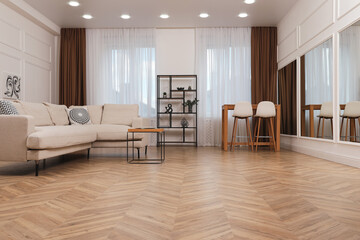
Wood flooring offers endless design possibilities. Planks come in various widths, lengths, and finishes, allowing homeowners to customize the look to suit their taste. From light, natural tones to rich, dark stains, wood floors can create the ambiance you desire. Patterns such as herringbone, chevron, or wide-plank layouts enhance visual interest and complement different architectural styles.
Applications of Wood Flooring
Wood flooring is suitable for almost any interior space. In living rooms and bedrooms, it adds warmth and elegance. Kitchens benefit from wood flooring’s durability and easy maintenance, while home offices enjoy its professional and inviting look. Commercial spaces such as boutiques, restaurants, and offices also choose wood flooring for its timeless appeal and ability to withstand heavy foot traffic.
Wood flooring is a versatile, elegant, and long-lasting choice for enhancing any interior space. Its natural beauty, combined with durability and easy maintenance, makes it a smart investment for homeowners and commercial properties alike. By selecting the right type of wood, ensuring proper installation, and following regular care practices, wood floors can maintain their charm and functionality for decades.
Investing in quality wood flooring not only elevates the aesthetic appeal of your home or office but also contributes to a healthier and more sustainable living environment. Whether you are renovating a single room or outfitting an entire property, wood flooring offers an unmatched combination of style, durability, and timeless appeal that will enhance your space for years to come.
Commercial buildings consume a significant portion of global electricity, and lighting alone often accounts for a large percentage of that usage. Offices, warehouses, retail spaces, educational facilities, and industrial complexes depend on consistent, high-quality illumination to maintain productivity, safety, and customer satisfaction. However, outdated lighting systems can quietly drain operational budgets through excessive energy consumption and frequent maintenance needs. Energy-efficient lighting retrofits offer a practical, cost-effective solution that reduces overhead expenses while enhancing performance and sustainability.
An energy-efficient Commercial Electrical Service lighting retrofit involves upgrading existing fixtures, lamps, and control systems to modern, high-efficiency alternatives. Rather than constructing an entirely new lighting infrastructure, retrofitting improves what is already in place. This approach minimizes disruption to business operations while delivering measurable improvements in energy savings, light quality, and environmental impact. For commercial property owners and facility managers, retrofits represent one of the fastest-return investments in energy management.
Traditional lighting technologies, such as older fluorescent, metal halide, or high-pressure sodium fixtures, consume more power and generate more heat than modern solutions. They also require frequent bulb replacements and ballast maintenance. In contrast, advanced lighting technologies operate with significantly lower wattage while producing equal or greater luminous output. By reducing energy draw per fixture, commercial buildings can substantially lower their monthly electricity expenses.
Lighting retrofits are not solely about swapping bulbs. A comprehensive approach examines fixture design, distribution patterns, color temperature, and lighting controls. Properly designed retrofits improve visual comfort, reduce glare, and enhance workplace ambiance. Employees benefit from more consistent illumination, which can positively influence productivity and morale. Retail environments may experience improved product presentation, while warehouses gain clearer visibility that supports safety and operational efficiency.
Energy audits are typically the first step in a successful retrofit project. During an audit, lighting professionals evaluate current fixtures, usage patterns, operating hours, and electrical load distribution. This data-driven analysis identifies inefficiencies and determines where upgrades will deliver the greatest impact. For example, high-ceiling industrial facilities may benefit from high-output fixtures with advanced optics, while office settings may prioritize glare reduction and daylight integration.
One of the most impactful upgrades in modern retrofits is the transition to LED lighting technology. LEDs consume significantly less electricity compared to traditional options and have a much longer operational lifespan. Reduced maintenance needs translate into fewer service interruptions and lower labor costs. Additionally, LEDs provide instant-on performance without warm-up time, improving responsiveness in high-traffic commercial areas.
Lighting controls further enhance efficiency. Installing occupancy sensors, daylight harvesting systems, and programmable timers ensures that lights operate only when necessary. In conference rooms, restrooms, and storage areas, occupancy sensors prevent energy waste by automatically switching off lights when spaces are unoccupied. Daylight sensors adjust artificial lighting levels based on available natural light, maintaining consistent brightness while minimizing power consumption.
A structured lighting retrofit plan typically includes several coordinated steps. While the specifics vary depending on building size and function, the core phases often involve:
Comprehensive Lighting Assessment – Documenting existing fixture types, wattage levels, and operational schedules to identify inefficiencies.
System Design and Specification – Selecting appropriate energy-efficient fixtures, control systems, and layout adjustments.
Installation and Electrical Integration – Replacing outdated components and ensuring compatibility with the building’s electrical infrastructure.
Performance Testing and Calibration – Verifying light output levels, control responsiveness, and system stability.
This systematic approach ensures that improvements are measurable, reliable, and aligned with performance objectives.
In addition to energy savings, retrofits can improve environmental performance. Reduced electricity consumption lowers greenhouse gas emissions associated with power generation. Many commercial buildings are pursuing sustainability certifications or corporate environmental responsibility goals. Energy-efficient lighting retrofits contribute meaningfully to these initiatives by decreasing carbon footprints and supporting long-term resource conservation.
Financial incentives often make lighting retrofits even more attractive. Utility providers may offer rebates for energy-efficient upgrades, recognizing the broader benefit of reduced grid demand. Lower operating expenses combined with potential incentives accelerate return on investment. In many cases, commercial properties recoup retrofit costs within a few years through utility savings alone.
Maintenance reduction is another compelling advantage. Traditional lighting systems require periodic bulb and ballast replacement, especially in facilities that operate extended hours. Each replacement not only incurs material costs but also labor expenses and potential downtime. LEDs and modern drivers typically offer lifespans measured in tens of thousands of hours, drastically reducing replacement frequency. Over time, this reliability lowers the total cost of ownership and simplifies facility management.
Light quality improvements should not be underestimated. Modern lighting solutions offer customizable color temperatures and high color rendering capabilities. Offices may choose neutral tones that promote focus and reduce eye strain, while retail spaces may opt for warmer tones that enhance product appeal. Enhanced lighting consistency eliminates flickering and uneven brightness, creating a more comfortable and professional environment.
Safety considerations also improve with updated lighting systems. Clear, consistent illumination reduces trip hazards in stairwells, corridors, and parking areas. Industrial facilities benefit from improved visibility around machinery and loading docks. Emergency lighting systems can also be integrated into retrofit plans, ensuring reliable operation during power outages. By improving illumination quality, businesses reduce risk while strengthening compliance with workplace safety standards.
Electrical infrastructure compatibility is a critical aspect of successful retrofits. Older wiring systems may require evaluation to ensure they can support new control devices or fixture configurations. Professional electricians assess panel capacity, circuit load balancing, and grounding integrity. In some cases, minor panel upgrades may be recommended to accommodate advanced control systems. Addressing these factors during the retrofit process prevents future complications and ensures seamless integration.
Another important element of energy-efficient retrofits is adaptability. Commercial buildings evolve, with tenants changing layouts or operational demands shifting. Modular lighting systems and flexible controls allow spaces to be reconfigured without extensive rewiring. This adaptability enhances long-term value and ensures that lighting infrastructure keeps pace with organizational growth.
Facility managers often find that a phased retrofit strategy minimizes disruption. Rather than replacing all fixtures simultaneously, upgrades can be implemented in stages. High-usage areas may be prioritized first, delivering immediate savings that help fund subsequent phases. This incremental approach allows businesses to maintain daily operations while progressively modernizing their lighting systems.
To better understand the tangible benefits of lighting retrofits, consider the primary outcomes that commercial buildings typically experience:
Environmental Responsibility – Decreased energy demand contributes to sustainability goals.
These measurable advantages demonstrate why lighting retrofits are widely regarded as a strategic investment rather than a simple facility upgrade.
In competitive commercial markets, operational efficiency can significantly impact profitability. Lighting may appear to be a fixed cost, but modernization transforms it into an opportunity for savings. By leveraging advanced technology and intelligent design, property owners convert outdated systems into performance-driven assets.
It is also worth noting that lighting retrofits can complement broader energy management initiatives. When paired with HVAC optimization, smart building automation, and energy monitoring platforms, efficient lighting becomes part of an integrated strategy to reduce consumption and enhance building performance. The cumulative effect of these improvements creates a smarter, more resilient facility.
Ultimately, energy-efficient lighting retrofits represent a forward-thinking approach to commercial building management. They deliver financial savings, environmental benefits, and improved occupant experience—all without requiring complete structural reconstruction. As energy costs continue to fluctuate and sustainability expectations rise, investing in efficient lighting infrastructure positions businesses for long-term success.
Commercial buildings that embrace lighting modernization gain more than brighter spaces. They achieve operational control, cost predictability, and enhanced environmental stewardship. Through careful assessment, professional installation, and strategic planning, energy-efficient lighting retrofits illuminate a clear path toward efficiency and innovation.