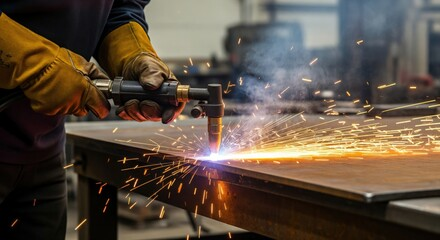
In industrial settings, precision and durability are paramount. While generic components might not meet these demands, custom metal fabrication can create products designed with your specific application in mind.
A trusted fabricator will have years of experience in fabrication, backed by industry certifications and an emphasis on engineering partnerships. Visit https://www.83metalcraftboise.com/ for more information.
1. It’s the Right Fit
When you need a metal part or component made to your exact specifications, there’s no better solution than custom fabrication. This specialized process of cutting, welding, and bending metal is vital to industries as diverse as construction, aerospace, food service, transportation, and consumer product creation. It’s also a key step in high-performance industries such as automotive, energy, and medical technology, where precision and integration are crucial.
While standard products can work well enough, the best solution for most applications is a custom-made piece that fits seamlessly into the overall design. Using custom fabrication, you can avoid the costly problems that come with mismatched parts. Custom fabrication means you have complete control over dimensions, tolerances, and materials, ensuring a perfect fit that’s also durable and cost-effective.
For example, when building a safety rail or staircase, the precise measurements of your components are essential to ensure they’re safe and durable. Likewise, the aerospace industry depends on custom metal fabrication to create parts that meet exact weight specifications and performance criteria. Even a slight deviation in shape or size can impact aircraft safety and functionality.
Most industrial applications require a number of different connecting elements. When you choose custom metal fabrication, your fabricator will ensure that the materials and designs used are compatible with your existing system. This saves you time, money and headaches as compared to trying to fit an off-the-shelf part into your system.
Many fabricated pieces are designed to withstand high levels of stress or environmental exposure. This is especially important for critical applications such as aerospace equipment, power generation and oil & gas operations. Custom metal fabrication creates durable housings and piping systems to endure these extreme conditions. It’s also crucial in healthcare settings for fabricating niche medical devices and tools that are subject to rigorous testing for sterility and compliance.
2. It’s More Durable
When it comes to precision, durability and longevity, custom metal fabrication is the gold standard. Unlike off-the-shelf components, which are designed with a more general industrial application in mind, custom fabrications take the exact dimensions and connection points of an existing system into account. This ensures that new components are a seamless fit and eliminates the need for costly trial and error during installation.
During the custom metal fabrication process, various techniques are used to shape and bend materials to specific dimensions and contours. These processes include cutting, forming, welding and machining. When done correctly, these steps ensure the final product is strong and durable, able to withstand heavy use and harsh environments. For example, if an item needs to withstand high temperatures or chemicals, the fabricator can use special finishes and coatings that will protect it from damage and extend its lifespan.
In addition to durability, custom metal fabrication is also more cost-effective than other methods. This is because a skilled fabricator can reduce costs by minimizing waste and optimizing production, which leads to reduced installation costs and operational downtime. In addition, a quality metal fabrication shop will also be able to provide direct access to wholesale prices on premium steel and other materials.
Customized parts also make it easier to upgrade existing equipment and infrastructure. This is because the parts are tailored to fit seamlessly with existing pieces, reducing downtime and allowing operations to continue without interruption. This is particularly important for industries like mining, transportation or manufacturing, where downtime can be costly and disruptive.
Custom fabrications are also typically made in shorter lead times than off-the-shelf products, which means they can be delivered more quickly and easily. This can be crucial for industries like mining, transportation or manufacturing, as delays in the delivery of specialized components can lead to significant losses due to inactivity. By choosing a custom fabrication partner, you can avoid these delays and ensure your project is a success from start to finish.
3. It’s More Efficient
Custom metal fabrication creates components based on precise designs rather than mass-producing standardized items. Fabricators use CAD files, drawings or client descriptions to cut, bend and shape raw metal into custom-built brackets, frames, fittings, enclosures and other parts that perfectly fit the design specifications. This ensures that the finished product matches the vision of the designer and meets or exceeds performance and durability standards.
The precision offered by Custom Metal Fabrication is crucial in industrial applications where equipment and machinery must operate safely and reliably. When off-the-shelf components fail to meet these standards, they increase the risk of breakdowns and downtime. This is especially true in industrial settings, where operating conditions are harsh and often unpredictable. Custom fabrication enables the creation of components designed specifically for these environments, such as those that are corrosion-resistant or heat-resistant and built to withstand heavy loads. This increases the reliability of industrial processes and decreases maintenance costs and downtime.
In addition to ensuring that components meet the requirements of their intended use, Custom Metal Fabrication offers significant design flexibility that allows manufacturers to explore innovative and specialized solutions. Off-the-shelf components, on the other hand, are limited in their features and cannot be tailored to specific needs.
Another benefit of working with a custom metal fabricator is the ability to choose the best raw materials for each project, reducing cost and waste. This is particularly important in industrial settings, where every component must be compatible with existing elements and work seamlessly in a complex system. A trusted fabricator can recommend the ideal raw material based on the function, geometry and materials needs of each component. This insight prevents costly revisions and saves time by avoiding delays caused by misalignment, part overlap or excess wear. In addition, working with a reputable metal fabricator can help to ensure that all final products are produced using the highest quality materials and undergo rigorous inspection and quality control processes. This helps to improve reliability and safety standards while reducing the frequency of operational errors and maintenance costs. For these reasons, custom metal fabrication is more efficient than other metal fabrication methods.
4. It’s More Affordable
When you need a complex metal product that isn’t available off-the-shelf, custom metal fabrication can provide the solution. You’ll have greater flexibility in design and materials, as well as a higher level of quality control. The process can be complicated, but the results are worth it.
The custom metal fabrication process begins with the selection of raw materials. Then, a variety of cutting and shaping techniques are used to create the desired shape. The resulting parts are then welded together and finished with coatings, such as powder coating or anodizing, to ensure durability. The amount of time and labor involved will impact your overall cost, but the end result is a superior product that meets all of your project’s requirements.
During the cutting phase, a metal fabricator uses a variety of tools to cut raw metal into different shapes and dimensions. These tools can include shears, saws, punches, laser cutters, and press brakes. A skilled metal worker can also manipulate the material to bend, roll, and shape it into specific shapes. This is called forming, and it allows the fabrication to produce parts with a more exacting fit than a standard mass-produced product.
Once the material is cut, it’s ready to be shaped. Depending on the project, this may involve welding and other processes that make use of heat or pressure. For example, cold rolling can turn a flat sheet into a curve, and angle rolling can create defined angles. Other finishing processes, such as anodizing, plating, and powder coating, are also common and can add to the overall costs.
Custom-fabricated metal products are also more durable than generic off-the-shelf products. This is especially true for industrial settings, which often put a lot of stress on equipment and components. The durability of custom-fabricated metal means less downtime for the business, and it also helps reduce maintenance costs.
For these reasons and more, custom metal fabrication is an essential part of the manufacturing process. It’s a great option for businesses looking to get the most out of their production equipment and other metal projects. If you’re thinking about adding custom metal fabrication to your manufacturing process, consider working with a trusted manufacturer who can deliver high-quality results at an affordable price.