Elevate Your Home with Beautiful and Durable Wood Flooring

Wood flooring is a timeless choice that combines natural beauty, durability, and versatility, making it a popular option for homeowners and designers alike. From traditional hardwood to engineered wood, this flooring option enhances the aesthetic appeal of any room while offering long-lasting performance. Whether renovating an existing space or designing a new home, understanding the benefits, types, and maintenance of wood flooring can help you make the best decision for your property.

wood flooring

Why Wood Flooring Is a Smart Choice

One of the primary reasons wood flooring remains a top choice is its unmatched elegance. Natural wood adds warmth, texture, and character to any space, creating an inviting atmosphere. Unlike other flooring materials, wood has a unique grain pattern and color variation, giving each plank a distinctive look that cannot be replicated.

Beyond aesthetics, wood flooring is highly durable. When properly installed and maintained, hardwood floors can last for decades, making them a cost-effective investment over time. Wood is also a resilient material, capable of withstanding everyday wear and tear from foot traffic, furniture, and pets. With refinishing and proper care, wood flooring can maintain its original beauty for years.

Types of Wood Flooring

Wood flooring comes in several types, each offering unique advantages:

  1. Solid Hardwood: Solid hardwood is made from a single piece of natural wood, providing authenticity and long-term durability. It can be sanded and refinished multiple times, which helps restore its original appearance after years of use.
  2. Engineered Wood: Engineered wood consists of multiple layers of wood veneers with a solid hardwood top layer. This construction makes it more stable in areas with fluctuating humidity and temperature, making it suitable for basements and kitchens where solid hardwood might be prone to warping.
  3. Parquet Flooring: Parquet flooring features small wood pieces arranged in decorative patterns. This option adds an artistic and classic touch to interiors, making it ideal for formal spaces or accent areas.
  4. Reclaimed Wood: Reclaimed wood flooring uses repurposed timber, offering a sustainable and rustic aesthetic. It brings character and history to a space while supporting eco-friendly practices.

Benefits of Wood Flooring

Wood flooring offers numerous advantages that make it a preferred choice for many homeowners:

  • Timeless Appeal: Wood floors never go out of style and complement both traditional and contemporary interior designs.
  • Durability: High-quality wood flooring resists scratches, dents, and heavy foot traffic, making it suitable for busy households.
  • Easy Maintenance: Wood floors are relatively easy to clean and maintain. Regular sweeping, vacuuming, and occasional polishing keep the surface looking pristine.
  • Improved Air Quality: Unlike carpets, wood floors do not trap dust, allergens, or pet dander, contributing to a healthier indoor environment.
  • Versatility: Wood flooring works in virtually any room, including living areas, bedrooms, dining spaces, and offices.

Installation Considerations

Proper installation is essential to ensure the longevity and appearance of wood flooring. The subfloor must be clean, level, and dry before installation to prevent future issues such as warping or uneven surfaces. Depending on the type of wood, installation methods may include nail-down, glue-down, or floating systems.

Professional installation is recommended, especially for solid hardwood and intricate patterns like parquet. Experienced installers ensure precise alignment, consistent spacing, and secure attachment, resulting in a flawless finish.

Maintenance Tips for Long-Lasting Wood Floors

Maintaining wood flooring helps preserve its beauty and durability. Key tips include:

  • Regular Cleaning: Sweep or vacuum frequently to remove dirt, dust, and debris that can scratch the surface. Use a damp mop with a wood-friendly cleaner for deeper cleaning.
  • Protective Measures: Use area rugs and furniture pads to prevent scratches and dents in high-traffic areas. Avoid dragging heavy furniture directly across the floor.
  • Control Humidity: Wood is sensitive to moisture, so maintain a stable indoor environment. Use a humidifier in dry seasons and a dehumidifier in humid climates to prevent expansion or contraction.
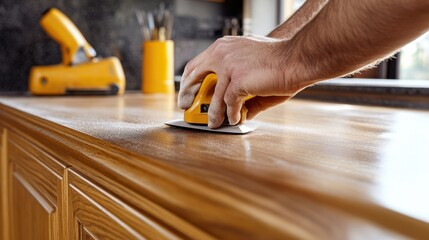
  • Refinishing: Over time, wood floors may develop minor scratches or lose their shine. Refinishing restores the surface by sanding and applying a fresh protective coating, giving the floor a like-new appearance.

Eco-Friendly Advantages

Wood flooring is also an environmentally responsible choice when sourced from sustainable forests. Reclaimed and engineered wood options further reduce environmental impact by utilizing recycled materials and minimizing waste. Choosing eco-friendly finishes and sealants ensures that your flooring is safe for both your home and the environment.

Design Flexibility

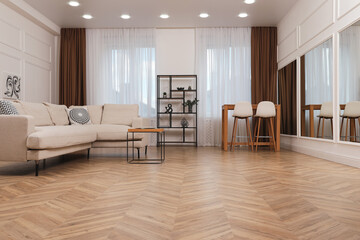
Wood flooring offers endless design possibilities. Planks come in various widths, lengths, and finishes, allowing homeowners to customize the look to suit their taste. From light, natural tones to rich, dark stains, wood floors can create the ambiance you desire. Patterns such as herringbone, chevron, or wide-plank layouts enhance visual interest and complement different architectural styles.

Applications of Wood Flooring

Wood flooring is suitable for almost any interior space. In living rooms and bedrooms, it adds warmth and elegance. Kitchens benefit from wood flooring’s durability and easy maintenance, while home offices enjoy its professional and inviting look. Commercial spaces such as boutiques, restaurants, and offices also choose wood flooring for its timeless appeal and ability to withstand heavy foot traffic.

Wood flooring is a versatile, elegant, and long-lasting choice for enhancing any interior space. Its natural beauty, combined with durability and easy maintenance, makes it a smart investment for homeowners and commercial properties alike. By selecting the right type of wood, ensuring proper installation, and following regular care practices, wood floors can maintain their charm and functionality for decades.

Investing in quality wood flooring not only elevates the aesthetic appeal of your home or office but also contributes to a healthier and more sustainable living environment. Whether you are renovating a single room or outfitting an entire property, wood flooring offers an unmatched combination of style, durability, and timeless appeal that will enhance your space for years to come.

Custom Metal Fabrication: When and Why You Need It

https://www.83metalcraftboise.com/

In industrial settings, precision and durability are paramount. While generic components might not meet these demands, custom metal fabrication can create products designed with your specific application in mind.

A trusted fabricator will have years of experience in fabrication, backed by industry certifications and an emphasis on engineering partnerships. Visit https://www.83metalcraftboise.com/ for more information.

1. It’s the Right Fit

When you need a metal part or component made to your exact specifications, there’s no better solution than custom fabrication. This specialized process of cutting, welding, and bending metal is vital to industries as diverse as construction, aerospace, food service, transportation, and consumer product creation. It’s also a key step in high-performance industries such as automotive, energy, and medical technology, where precision and integration are crucial.

While standard products can work well enough, the best solution for most applications is a custom-made piece that fits seamlessly into the overall design. Using custom fabrication, you can avoid the costly problems that come with mismatched parts. Custom fabrication means you have complete control over dimensions, tolerances, and materials, ensuring a perfect fit that’s also durable and cost-effective.

For example, when building a safety rail or staircase, the precise measurements of your components are essential to ensure they’re safe and durable. Likewise, the aerospace industry depends on custom metal fabrication to create parts that meet exact weight specifications and performance criteria. Even a slight deviation in shape or size can impact aircraft safety and functionality.

Most industrial applications require a number of different connecting elements. When you choose custom metal fabrication, your fabricator will ensure that the materials and designs used are compatible with your existing system. This saves you time, money and headaches as compared to trying to fit an off-the-shelf part into your system.

Many fabricated pieces are designed to withstand high levels of stress or environmental exposure. This is especially important for critical applications such as aerospace equipment, power generation and oil & gas operations. Custom metal fabrication creates durable housings and piping systems to endure these extreme conditions. It’s also crucial in healthcare settings for fabricating niche medical devices and tools that are subject to rigorous testing for sterility and compliance.

2. It’s More Durable

When it comes to precision, durability and longevity, custom metal fabrication is the gold standard. Unlike off-the-shelf components, which are designed with a more general industrial application in mind, custom fabrications take the exact dimensions and connection points of an existing system into account. This ensures that new components are a seamless fit and eliminates the need for costly trial and error during installation.

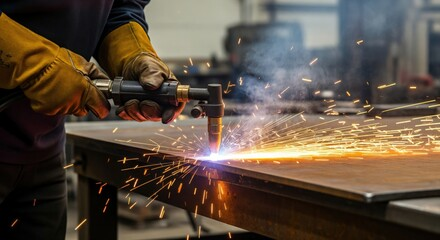
During the custom metal fabrication process, various techniques are used to shape and bend materials to specific dimensions and contours. These processes include cutting, forming, welding and machining. When done correctly, these steps ensure the final product is strong and durable, able to withstand heavy use and harsh environments. For example, if an item needs to withstand high temperatures or chemicals, the fabricator can use special finishes and coatings that will protect it from damage and extend its lifespan.

In addition to durability, custom metal fabrication is also more cost-effective than other methods. This is because a skilled fabricator can reduce costs by minimizing waste and optimizing production, which leads to reduced installation costs and operational downtime. In addition, a quality metal fabrication shop will also be able to provide direct access to wholesale prices on premium steel and other materials.

Customized parts also make it easier to upgrade existing equipment and infrastructure. This is because the parts are tailored to fit seamlessly with existing pieces, reducing downtime and allowing operations to continue without interruption. This is particularly important for industries like mining, transportation or manufacturing, where downtime can be costly and disruptive.

Custom fabrications are also typically made in shorter lead times than off-the-shelf products, which means they can be delivered more quickly and easily. This can be crucial for industries like mining, transportation or manufacturing, as delays in the delivery of specialized components can lead to significant losses due to inactivity. By choosing a custom fabrication partner, you can avoid these delays and ensure your project is a success from start to finish.

3. It’s More Efficient

Custom metal fabrication creates components based on precise designs rather than mass-producing standardized items. Fabricators use CAD files, drawings or client descriptions to cut, bend and shape raw metal into custom-built brackets, frames, fittings, enclosures and other parts that perfectly fit the design specifications. This ensures that the finished product matches the vision of the designer and meets or exceeds performance and durability standards.

The precision offered by Custom Metal Fabrication is crucial in industrial applications where equipment and machinery must operate safely and reliably. When off-the-shelf components fail to meet these standards, they increase the risk of breakdowns and downtime. This is especially true in industrial settings, where operating conditions are harsh and often unpredictable. Custom fabrication enables the creation of components designed specifically for these environments, such as those that are corrosion-resistant or heat-resistant and built to withstand heavy loads. This increases the reliability of industrial processes and decreases maintenance costs and downtime.

In addition to ensuring that components meet the requirements of their intended use, Custom Metal Fabrication offers significant design flexibility that allows manufacturers to explore innovative and specialized solutions. Off-the-shelf components, on the other hand, are limited in their features and cannot be tailored to specific needs.

Another benefit of working with a custom metal fabricator is the ability to choose the best raw materials for each project, reducing cost and waste. This is particularly important in industrial settings, where every component must be compatible with existing elements and work seamlessly in a complex system. A trusted fabricator can recommend the ideal raw material based on the function, geometry and materials needs of each component. This insight prevents costly revisions and saves time by avoiding delays caused by misalignment, part overlap or excess wear. In addition, working with a reputable metal fabricator can help to ensure that all final products are produced using the highest quality materials and undergo rigorous inspection and quality control processes. This helps to improve reliability and safety standards while reducing the frequency of operational errors and maintenance costs. For these reasons, custom metal fabrication is more efficient than other metal fabrication methods.

4. It’s More Affordable

When you need a complex metal product that isn’t available off-the-shelf, custom metal fabrication can provide the solution. You’ll have greater flexibility in design and materials, as well as a higher level of quality control. The process can be complicated, but the results are worth it.

The custom metal fabrication process begins with the selection of raw materials. Then, a variety of cutting and shaping techniques are used to create the desired shape. The resulting parts are then welded together and finished with coatings, such as powder coating or anodizing, to ensure durability. The amount of time and labor involved will impact your overall cost, but the end result is a superior product that meets all of your project’s requirements.

During the cutting phase, a metal fabricator uses a variety of tools to cut raw metal into different shapes and dimensions. These tools can include shears, saws, punches, laser cutters, and press brakes. A skilled metal worker can also manipulate the material to bend, roll, and shape it into specific shapes. This is called forming, and it allows the fabrication to produce parts with a more exacting fit than a standard mass-produced product.

Once the material is cut, it’s ready to be shaped. Depending on the project, this may involve welding and other processes that make use of heat or pressure. For example, cold rolling can turn a flat sheet into a curve, and angle rolling can create defined angles. Other finishing processes, such as anodizing, plating, and powder coating, are also common and can add to the overall costs.

Custom-fabricated metal products are also more durable than generic off-the-shelf products. This is especially true for industrial settings, which often put a lot of stress on equipment and components. The durability of custom-fabricated metal means less downtime for the business, and it also helps reduce maintenance costs.

For these reasons and more, custom metal fabrication is an essential part of the manufacturing process. It’s a great option for businesses looking to get the most out of their production equipment and other metal projects. If you’re thinking about adding custom metal fabrication to your manufacturing process, consider working with a trusted manufacturer who can deliver high-quality results at an affordable price.

Cabinet Refacing and Refinishing – Update the Look of Your Cabinets

Cabinet hardware, such as handles and hinges, can elevate the look of your kitchen. These are available in a variety of styles and materials. If your cabinets are structurally sound and have minor wear, refinishing can be the solution for you. It is less expensive than refacing, but will still result in a dramatic visual change.

What is Cabinet Refinishing?

San Jose Cabinet Refinishing services will take the time to clean and prepare your cabinets before they begin working on them, ensuring that the finished product will last and look amazing. This includes removing all hardware, properly cleaning and sanding the surfaces to create a smooth base for the new finish, and making any needed repairs. This will help ensure that the new finish will hold up well over time and withstand the wear and tear of a busy kitchen.

Cabinet refinishing is one of the most budget-friendly and time-efficient ways to update your kitchen. It’s a process of removing the existing finish from your cabinets, usually by chemical stripping or sanding, and then applying a fresh coat of stain or paint. It’s a great option for those who like their kitchen layout but want to refresh the color and style of their cabinet doors and drawer fronts.

Stains are a popular choice for cabinet refinishing, as they allow the natural grain of the wood to show through and add rich color tones to your cabinets. However, it’s important to note that stains require proper preparation to work, and that the cabinets must be free of any topcoats or sealants in order to absorb the stain correctly. Stains are typically only used on natural wood doors and cabinetry, and not on laminate or thermofoil.

Painting is another common cabinet refinishing service, and it can offer a dramatic transformation in your kitchen. If your cabinets are currently painted a dark shade, painting them a lighter color can make your space appear bigger and brighter. However, it’s important to note, that when painting your cabinets, you must be prepared for a lengthy project as the prep and painting processes can take weeks or even months.

Whether you choose to stain or paint, the final touches are what really set your cabinetry apart. From handles and knobs to hinges and pulls, the right hardware can elevate your cabinets’ look and create a cohesive aesthetic throughout the room. There are many options available for your cabinet hardware, including a variety of materials, finishes, and colors.

How Does Cabinet Refinishing Work?

Cabinet refacing is the process of replacing the visible surfaces of your cabinets while leaving the base and frames intact. It gives your kitchen a dramatic new look, typically in less time than an entirely full replacement and with less stress. Professional cabinet refacing contractors use premium materials such as laminate and wood veneer to give your kitchen a modern look with lasting durability. Cabinet refacing also provides the perfect opportunity to add a fresh coat of paint and new hardware, creating a totally revitalized space.

With refacing, you’ll usually want to replace your existing cabinet doors and drawer fronts. However, this may not be necessary in every case, especially if the cabinet boxes themselves are still structurally sound and you simply want to change their appearance. When in doubt, consult with a professional remodeler to see what is the best option for your home.

On the other hand, refinishing involves staining or painting your cabinets to change their color, which keeps the structure and layout of your cabinets intact. This is an ideal option if you have sturdy, well-maintained wooden cabinets that are in good condition and you simply want to freshen up their look. It should be noted, however, that certain cabinet materials cannot be refinished, such as laminate and thermofoil, because they can’t be sanded or stripped.

Refinishing requires a significant time commitment, as the old finish must be stripped via chemical removal or lots of sanding before the new stain can be applied. This can be a very messy and smelly project, so it is not a great choice for homeowners that have a busy schedule or don’t have the patience to devote weeks to a home improvement project.

Refinishing is a more durable solution than painting, as the stain will be able to stand up to heat and moisture better than a painted surface. This makes it a smart choice for high-traffic areas of the kitchen where the cabinets will be subjected to regular wear and tear. However, refinishing does require some maintenance to ensure the quality of the new finish, which must be done regularly.

What are the Benefits of Cabinet Refinishing?

Cabinets are a major part of any kitchen. They are not only functional but also offer a significant aesthetic impact. However, they can become outdated and require updating. This can be done via cabinet refacing, refinishing, or replacement. There are a few different ways to change the look of cabinets, and it depends on how much of a change you’d like to make and what your budget is.

Cabinet refinishing is a popular choice for updating the appearance of existing cabinets without replacing them entirely. This process involves sanding down the current finish and applying a new stain or paint. This can drastically change the color and appearance of your cabinets, giving them a fresh, new look. However, refinishing only works on wooden cabinets because other materials may not be able to stand up to the sanding and staining required for this project.

Before beginning the refinishing process, it’s important to thoroughly clean the cabinets and face frames to remove any dirt, grease, or wax buildup. This will ensure that the new finish will adhere properly and will not flake or peel later on. It’s also a good idea to remove any hardware from the cabinets before starting, including knobs, handles, and pulls. Keep these in a safe place to be reinstalled once the cabinets are refinished.

Refinishing cabinets is a great option for homeowners who want to change the color of their kitchen without spending a lot of money. This method is also a bit more environmentally friendly than replacing the cabinets entirely, as it reduces waste by using existing materials instead of adding to landfills. However, refinishing should not be used to replace worn or damaged cabinetry, as it will not fix issues such as warped doors or outdated styles.

If you decide to go with cabinet refinishing, it’s best to work with a professional. This is because the sanding and staining process can be difficult to do on your own, and even small mistakes can be quite noticeable. A professional can help ensure a smooth, even finish and will work quickly to minimize the amount of time your kitchen is out of commission.

What are the Drawbacks of Cabinet Refinishing?

Cabinet refinishing is a messy process that involves stripping the existing finish and stain and then applying new layers to achieve your desired look. The process is also time consuming and requires patience. It is important to work with a skilled and experienced professional to ensure a high-quality finish that will last.

Another drawback of cabinet refinishing is that the existing cabinets may not be in good condition and may need repairs before refinishing. It is important to have these issues addressed before beginning the project. If the cabinets are in poor condition, refacing or replacement may be a better option.

In some cases, refinishing can lead to discoloration or dulling of the cabinets, especially if the cleaning products used are too harsh or abrasive. It is best to use natural or gentle cleaning products on your cabinets to prevent fading, damage and discoloration of the newly refinished surface.

Thermofoil and laminate doors are not candidates for refinishing as they do not hold paint well. Refinishing only works on wood and MDF (medium density fiberboard) cabinet doors.

Although refacing and refinishing both offer cost savings, shorter timelines and environmental benefits over cabinet replacement, they both have limitations. Refacing does not allow you to make structural changes to the cabinet boxes, so if you want to reconfigure the layout of your cabinets or address significant damage or wear and tear, refacing may not be the right option for you.

Refinishing can be a messy and disruptive process, especially if your cabinets are in close proximity to your kitchen appliances and sink. In addition, the sanding and chemical stripping required for refinishing can cause fumes that are hard to deal with. It is important to work with a professional refinishing company that has experience working in residential homes and understands the proper safety and ventilation procedures.

While refinishing is a more environmentally friendly option than replacing your cabinets, the process can still leave your home with a lingering smell and require weeks of disruption. Refinishing is also a more short-term solution, as the cabinets are not designed to stand up to years of heat and moisture, which means that you will likely need to refresh the new finish after about 10 years.